Because No Mother Should Die Giving Life
Every day in rural Nigeria, mothers lose their lives during childbirth — most often from postpartum hemorrhage (PPH), a condition that is both common and preventable. Limited access to skilled care, essential medicines, and timely intervention makes childbirth a life-threatening experience for too many women in Abia State.
Our Response:
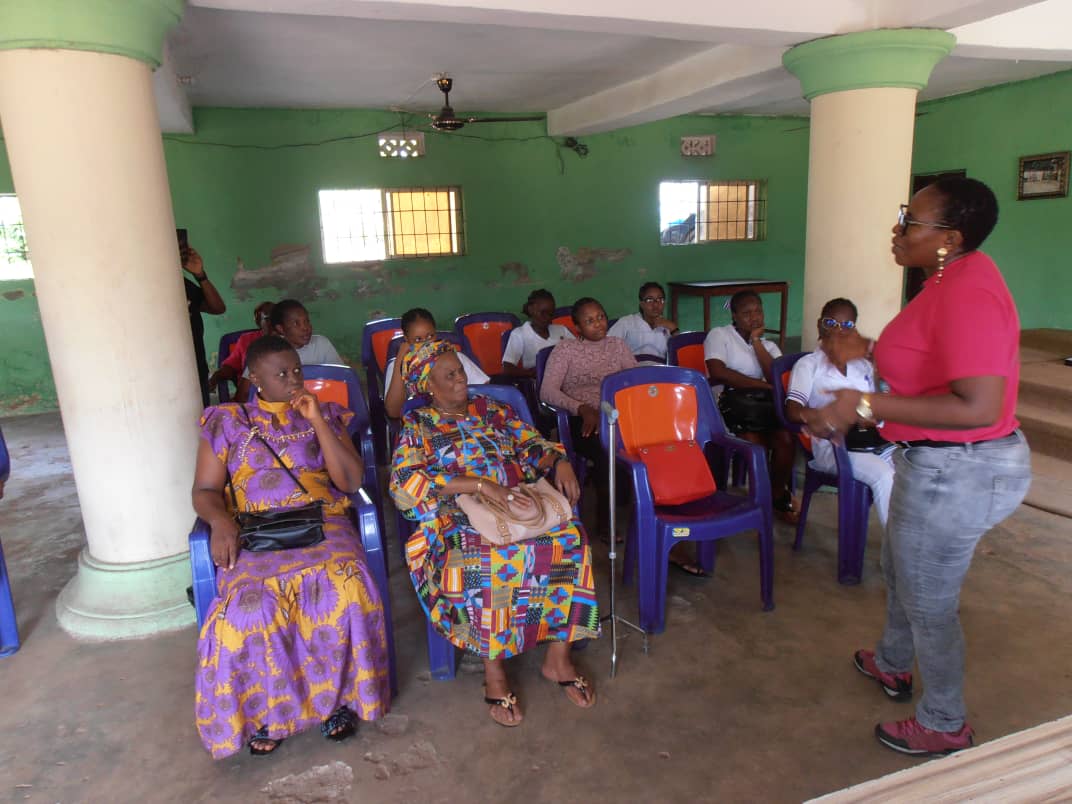
BBLI launched Maternal Guard Abia to equip and empower the first responders in rural maternal care — traditional birth attendants and community health workers. Through training, mentorship, and provision of Maternal Guard Kits, we ensure lifesaving tools are in the hands of those who need them most.
What’s in a Maternal Guard Kit?
Misoprostol to prevent and manage postpartum hemorrhage
Clean delivery tools to reduce infections
Simple guides for safe, evidence-based practices
Mobile reporting tools (SMS/Chat) for real-time support and monitoring
Training & Mentorship – Building skills of community birth attendants and health workers
Real-time Monitoring – SMS/Chat reporting systems for quick referrals and support
Recognition & Motivation – Honoring high-performing attendants as Maternal Guard Champions with badges and community recognition
Pilot phase: reaching 1,000 mothers across 5 LGAs in Abia State
Projected outcome: 40% reduction in untreated PPH cases
Long-term vision: A scalable model that can be replicated across Nigeria to save thousands of lives
Join Us in Ensuring Every Mother Survives Childbirth →
Building Resilient Farmers, Securing Food Futures
In many communities across Abia State, local farmers have little or no awareness of climate change. This gap in knowledge leaves them unprepared for its effects on agriculture and food production. Unpredictable rainfall, soil degradation, and rising greenhouse gas emissions are already affecting crop yields and livelihoods.
Our Response:
BBLI is working to change this narrative by equipping farmers with practical knowledge on climate-smart agriculture. Through training, awareness campaigns, and hands-on demonstrations, we empower farmers to adopt eco-friendly farming practices that boost productivity while protecting the environment.
The level of awareness among local farmers in communities in Abia State Nigeria on climate change is at the minimal making them unaware of the impact of climate change on agriculture and food production. This project is intended to change the narrative through equipping farmers with the relevant knowledge on climate smart agriculture to boost food production and mitigate the effects of greenhouse gas emissions.
By giving farmers the tools and knowledge they need, we strengthen food security, improve household incomes, and create resilient agricultural communities capable of thriving despite climate challenges.
Bridging the Digital Divide, Unlocking Opportunities
In today’s digital world, technology drives education, business, and economic growth. Yet, many women, youth, and marginalized groups in Nigeria remain excluded from the opportunities digital skills provide. This gap widens inequalities and limits pathways to sustainable livelihoods.
Through the Digital Skills for All project, BBLI equips individuals with essential digital competencies — from basic computer literacy to advanced digital entrepreneurship. By empowering communities with technology, we ensure they can participate meaningfully in the global digital economy.
This project equips women, youth, and marginalized groups with essential digital skills to boost their employability, enhance entrepreneurship, and bridge the technology gap. By empowering communities with tech knowledge, we create pathways to sustainable livelihoods and equal opportunities in the digital age.
Basic computer and internet literacy training
Digital entrepreneurship and freelancing workshops
Skills for remote work and online opportunities
Coding, design, and tech innovation sessions for youth
Online mentorship and peer-learning hubs
This project creates new economic opportunities, enhances employability, and strengthens entrepreneurship. It is not just about learning to use technology, it’s about using technology to break barriers, fight poverty, and open doors for equal opportunity in the digital age.
Creating a balanced society with equal access to health, education, and opportunities for marginalized women, girls, and youths.